
New Inca Trail Porters Law: What You Need to Know! Let’s start by acknowledging that porters are a fundamental part of this popular hiking route in Peru. We are confident that without their support, the experience wouldn’t be nearly as enjoyable for visitors. For this reason, and to ensure their rights are protected, the government has introduced a new law specifically for porters on the Inca Trail. Keep reading to learn about the most important details.
Who are porters and what do they do?
Before diving into the key points of the new law, let’s first explain who porters are and what their job entails, as many people might not fully understand. So, let’s begin!
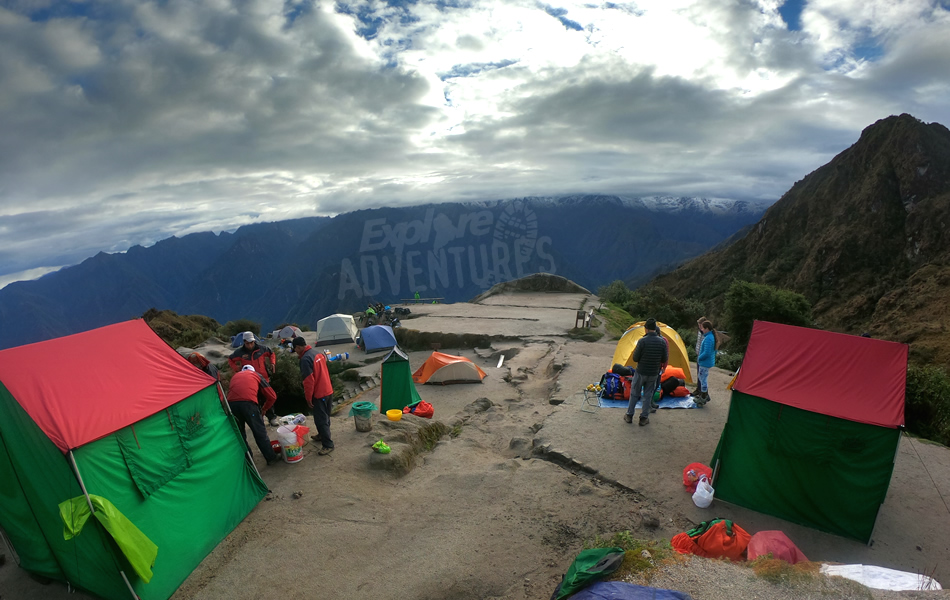
A porter, whether on the Inca Trail or other hiking routes, is someone employed by travel agencies to carry heavy loads, such as camping gear and supplies, on their backs. These items can belong to the tourists or be provided by the agency for the trek. Common items include tents, food, tables, gas canisters, cooking equipment, and more.
In other words, porters carry everything needed to set up camps along the trek. It’s also worth mentioning that some agencies offer the option for porters to carry visitors’ backpacks, allowing them to hike more comfortably.
Most Inca Trail porters come from high Andean communities and typically speak both Quechua and Spanish. While many work in agriculture, they take on this role during peak trekking season to earn additional income, though some are full-time porters.
Unlike other routes where pack animals may be used to carry gear, this is not allowed on the Inca Trail, making porters absolutely essential.
Their work involves setting up camp ahead of the hikers, even though they start at the same time and carry much heavier loads (the new law specifies the maximum weight they can carry). Thanks to their deep knowledge of the trail and excellent physical condition, porters can hike quickly and efficiently, sometimes even running to get ahead and have everything ready for the hikers’ arrival.
It’s important to highlight that porters are the hardest-working individuals along the Inca Trail to Machu Picchu. This route can only be done as part of an organized tour with a travel agency like ours. So, if you’re excited to embark on this incredible adventure, check out our tour details.
The First Regulations
It might seem surprising that a specific regulation exists for porters, but this came about in response to abuses during the 1980s. In 2002, the Regional Directorate of Foreign Trade and Tourism, along with other institutions, issued the «Tourist Use Regulations for the Inca Trail Network of the Machu Picchu Historical Sanctuary.»
This regulation recognized porters as “support personnel,” and introduced more dignified working conditions, including:
- A limit on the weight porters can carry, which was set at a maximum of 14 kilos (31 lbs).
- The right for porters to unionize, allowing them to negotiate important issues like wages in accordance with the law.
- Porters must be provided with adequate equipment, such as jackets, hats, and backpacks. Although porters often prefer wearing rubber sandals, known as «ojotas,» for comfort.
- Porters must also be registered in the Inca Trail Porters Registry, meaning they need a health card and a criminal record certificate.
New Regulation: The Inca Trail Porter Law
As with many regulations, this new law aims to strengthen and protect the labor rights of the men and women responsible for carrying tourists’ belongings along the Inca Trail to Machu Picchu and other trekking routes.
Porters had long demanded greater respect for their rights, and this law was passed with 100 votes in favor and only 1 against. The law outlines important changes, including:
- Age:
No one under 18 can work as a porter, unlike the previous rule which allowed 16-year-olds to take on this role.
- Working Hours:
Porters can only work 48 hours a week, with 5 days of rest. Any additional hours worked must be paid as overtime. If a porter needs to sleep during the course of their work, the employer must provide appropriate accommodations to ensure their health and safety.
- Maximum Load:
The maximum weight has been adjusted to 20 kilos (44 lbs) for men and 15 kilos (33 lbs) for women. They must also be given proper rest breaks under suitable conditions, meaning they should be sheltered when resting.
- Food and Equipment:
The law sets standards for nutritious meals and requires employers to provide protective clothing and equipment, as well as life insurance and additional risk insurance.
- Wages:
Porters must be paid at least 3% of a Unidad Impositiva Tributaria (UIT) for each day worked. Porters responsible for cooking will earn 30% more than the base rate.
Additional Provisions:
The law grants porters free access to the Inca Trail network and requires the Ministry of Culture and the Ministry of the Environment to create designated campsites for their rest and accommodation.
Concerns About the Law
Many organizations have expressed concerns about the new law, claiming that it could negatively affect not just the porters but also businesses, state entities, and even the destination itself. They argue that the increased wages—up to 150%, or even 250% when factoring in labor costs—could harm the country’s macroeconomic stability, impact inflation, and damage the competitiveness of Peru’s top tourist destination.
For porters, some analysts believe the new law could have unintended consequences, such as making it harder for them to work independently as they once could. The law enforces rigid work schedules and employer relationships, which don’t align with the traditional flexibility of this profession.
Additionally, critics warn that this law could threaten the sustainability of Machu Picchu, undermine the authority of the Management Unit (UGM), and place financial burdens on businesses to construct campsites without proper environmental assessments.
Our Perspective
Despite any shortcomings of this new law, our agency remains committed to doing what’s right. We strive to ensure not only the satisfaction of our tourists but also the well-being of everyone on our team.